

If you have been wanting to learn American mahjong but the whole thing looks like a wall of tiles and rules, this is for you. I am going to lay out the game in plain English, the way I wish someone had done for me.
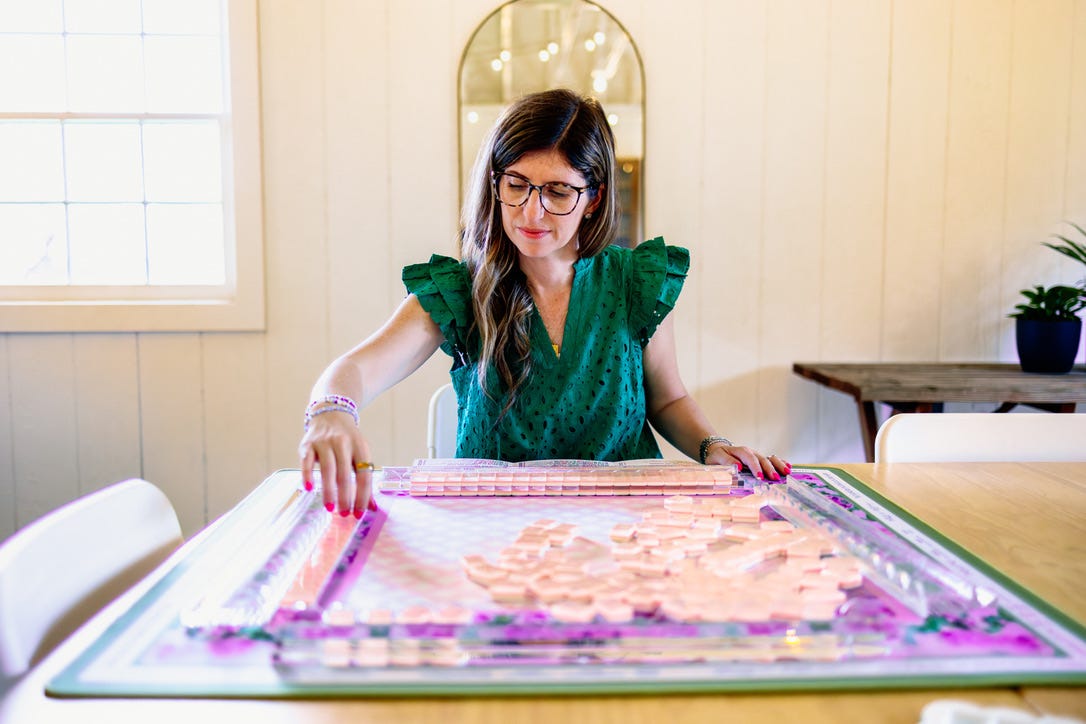
No jargon you do not need yet. Just enough to make your first game feel possible.
What you actually need to start
Less than you think. To play you need a mahjong set, the current National Mah Jongg League card, and three other people who want to learn with you. That is genuinely it.
A set of tiles. You do not need a fancy one to begin. Any complete American set works.
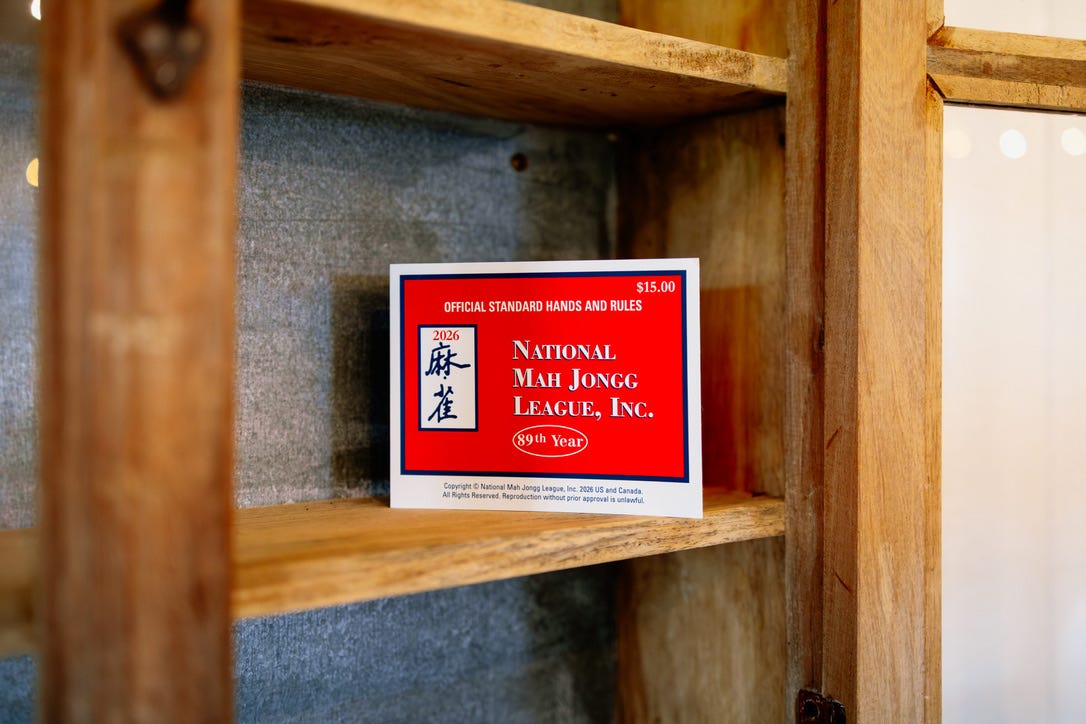
The current card. The National Mah Jongg League puts out a new card each year, and it lists every hand you are allowed to build. You play with it right in front of you.
A table of players. The game is built for a foursome. You do not all need to know how to play. Learning together is half the fun.
The goal, in one sentence
Here is the whole game in a single line. You are racing to be the first player to build one of the hands printed on the card. That is it. Every tile you draw and every tile you let go is in service of that one job.
The card does the hard part. It shows you every winning hand for the year, so you are never guessing what counts. You are just choosing which hand your tiles are closest to and steering toward it.
How a game actually flows
Once you see the shape of a game, the mystery drops away. It goes like this.
You build your wall and deal. The tiles are mixed, stacked, and dealt out so everyone starts with a rackful.
You trade some tiles, called the Charleston. Early on, everyone passes tiles around the table a few times. It is a trade, not a sacrifice, a chance to swap away what you cannot use for something closer to your hand.
You take turns. On your turn you take one tile and let one tile go, slowly shaping your rack toward a hand on the card.
Someone completes a hand and calls it. The first to finish a hand on the card wins, and you reset and play again.
A few words you will hear
You do not need the whole vocabulary yet, but these four come up fast. The card is your menu of hands. The Charleston is the trading round at the start. A joker is a wild tile that can stand in for others inside a group of three or more, though never in a single or a pair. An exposure is simply tiles you have shown the table to claim a group. That is enough to follow along at your first game.
The first time I sat down to play, I was sure everyone could see how lost I was. What I did not understand then is that nobody starts knowing this. You learn it one small piece at a time, exactly like this, and one day you realize you are the one explaining it to a nervous beginner.
Ready for the next step after this overview? My Foundations Edit is a beginner-to-intermediate guide that walks the whole game through, with printable reference cards.
Lara