

From across the table, a confident player can look like she is just gifted. The calm, the sure discards, the way she never seems rattled. It can feel like something you either have or you do not.
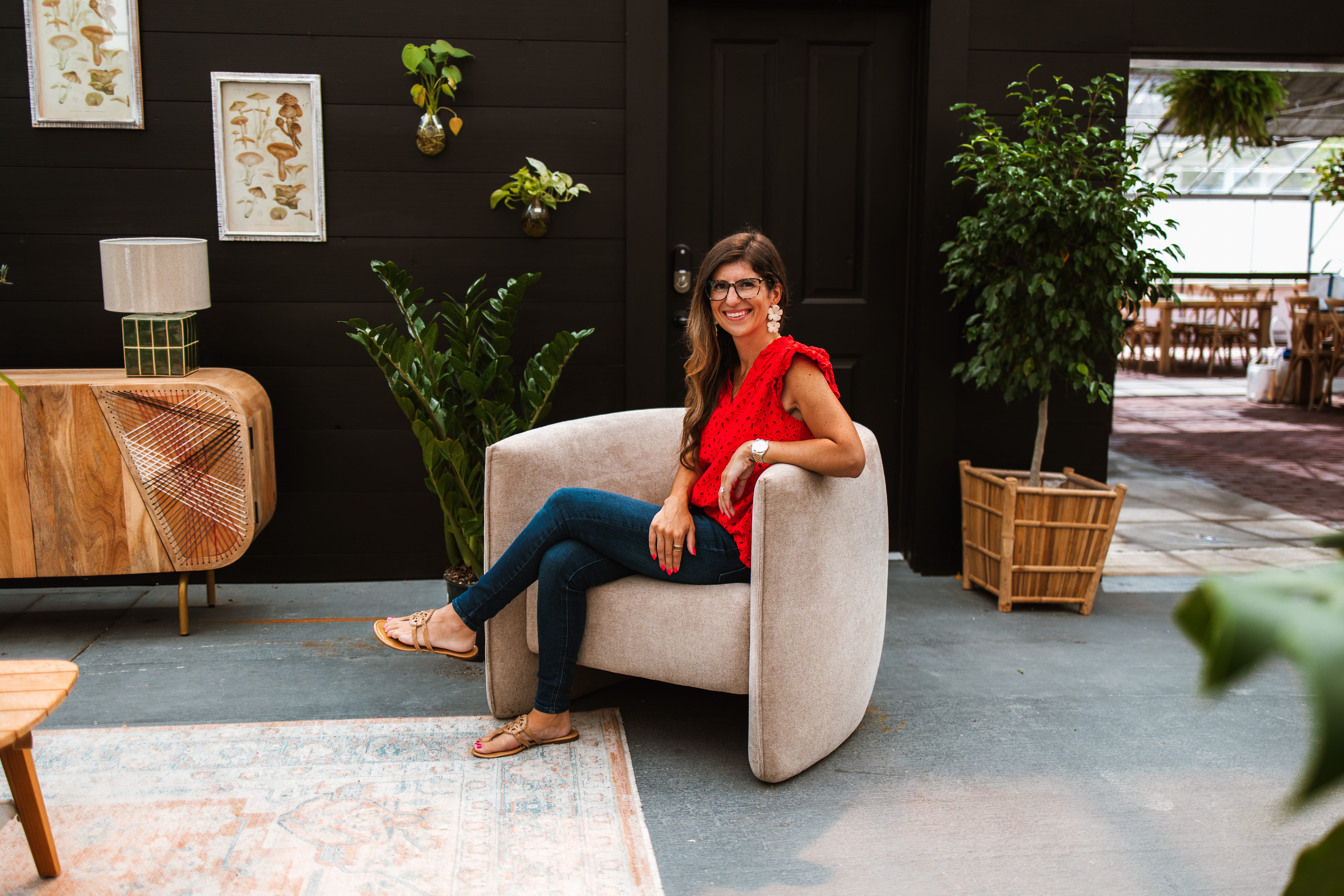
It is not. She is running a quiet little checklist, and once you see it, you can run it too.
She reads her own hand first
Before anything else, she looks at what she actually has and asks what it could become. She does not decide on a hand and then force her tiles toward it. She lets the tiles tell her where they want to go. That one habit, reading before deciding, prevents most of the trouble newer players get into.
She picks a direction, but holds it loosely
She commits to a hand early enough to have a plan, but stays ready to change if the game shifts. Confident does not mean stubborn. When her tiles or the table tell her the original plan has died, she pivots without drama. Flexibility is not indecision. It is exactly what keeps her in the game.
She is always reading the table
While she plays her own hand, she is quietly watching everyone else's. What are they discarding, what have they shown, what does that say about what they need. None of this is magic. It is just attention, and it turns every discard into information instead of noise.
She makes a clear choice and moves on
Here is the part that looks like confidence but is really just a habit. She makes the best decision she can with what she knows, lets the tile go, and does not agonize. She is not certain she is right. She has simply made peace with choosing under uncertainty, which is the entire game. The agonizing, not the wrong choice, is what slows people down.
She does not punish herself for a bad outcome
When a choice does not work out, she notes it and moves to the next hand. No spiral, no replaying it for an hour. That steadiness is what lets her keep thinking clearly, and it is the most learnable part of all.
None of this is talent. Read your hand, pick a direction, watch the table, choose and move on, stay steady. That is the whole checklist, and you can start running it at your very next game. The calm comes from the process, not from some gift you were born with or without.
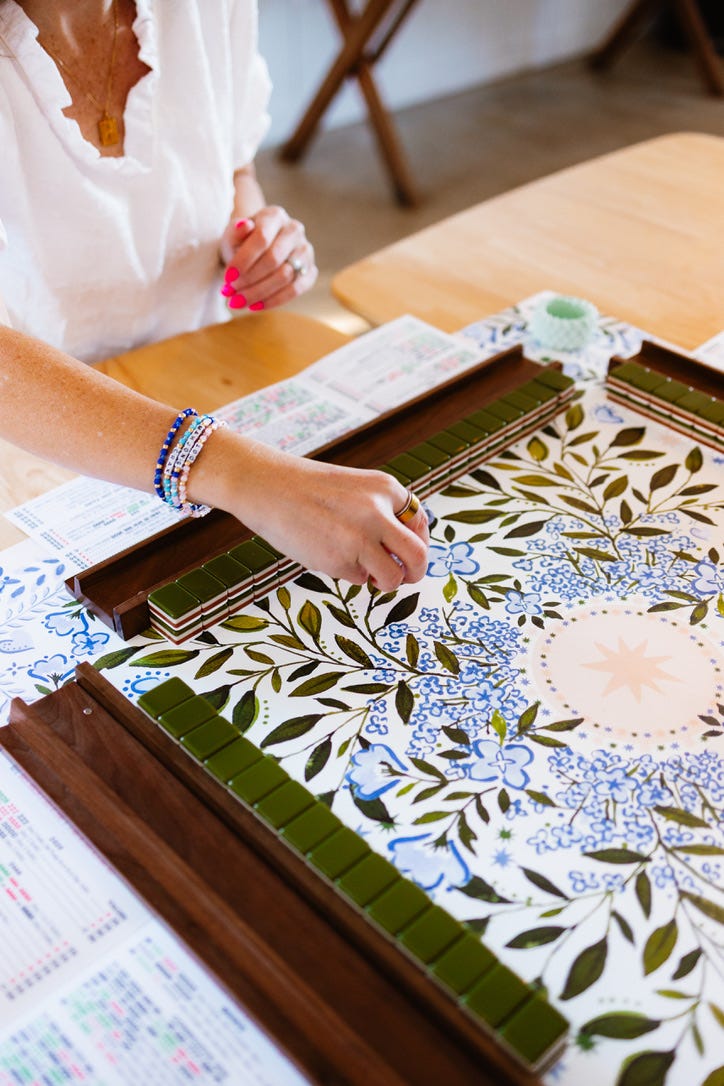
That decision-making checklist, built out for every hand on the 2026 card, is exactly what my 2026 Strategy Edit is, a hand-by-hand playbook with a pivot framework.
Lara